


Workplace Safety and Health
-Workplace Safety and Health-
The Hospital regards workplace safety and employee health as an important foundation for sustainable management. In accordance with the Occupational Safety and Health Act and relevant regulations, the Hospital has established an occupational safety and health management system. This system encompasses all workers, activities, and workplaces throughout the Hospital, incorporating the safety and health of employees, contractors, dispatched personnel, and related workers into its management scope. Through mechanisms such as the Occupational Safety and Health Committee, hazard identification and risk assessment, educational training, health examinations, occupational injury reporting, and tracking for improvement, the Hospital continuously reduces workplace risks to create a safe, healthy, and friendly working environment.
-
Occupational Safety and Health System Management
The occupational safety and health management system aims to provide a framework to manage occupational safety and health risks and opportunities. The approach adopted for the occupational safety and health management system applies the concept of PDCA. The management system standards are based on the ISO 45001:2018 international standard, the CNS 45001:2018 national standard, and the TOSHMS specific requirements. The Hospital's occupational safety and health management system covers all employees, non-employee workers, and contractors entering areas under the Hospital's jurisdiction to engage in operational activities, ensuring no blind spots exist in safeguarding the health and safety of all personnel.
The operations of medical institutions are highly complex, involving diverse professional division of labor and various risk scenarios. With safeguarding employee safety and health at its core, NCKU Hospital has formulated occupational safety and health management guidelines in accordance with relevant laws and regulations such as the Occupational Safety and Health Act. Through systematic management, risk identification, prevention mechanisms, and cross-departmental collaboration, the Hospital reduces occupational exposure and workplace hazard risks, ensuring that personnel can practice with peace of mind and that the organization operates stably.
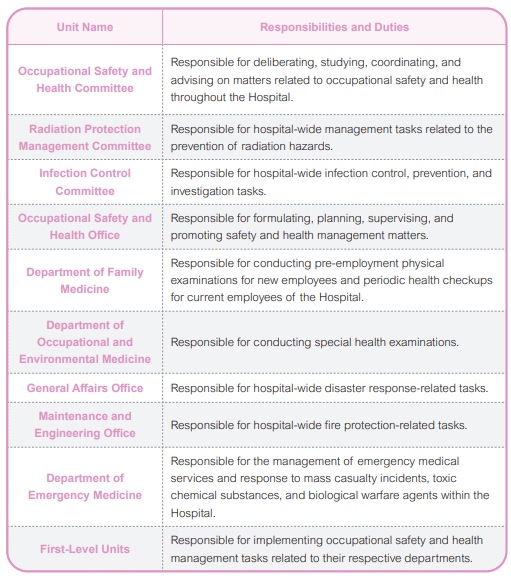
The Hospital's occupational safety and health operations cover dimensions such as occupational disaster prevention, radiation safety, environmental quality, and health management. These are jointly promoted by responsible units including the Occupational Safety and Health Committee, the Radiation Protection Management Committee, and the Labor Safety and Health Office, constructing a comprehensive safety and health governance framework. Concurrently, the Hospital is actively introducing occupational safety and health management systems such as ISO 45001 or TOSHMS, gradually strengthening mechanisms for worker consultation and participation, continuous improvement, and risk identification and assessment, thereby continuing to build a safe, healthy, and comfortable working environment.
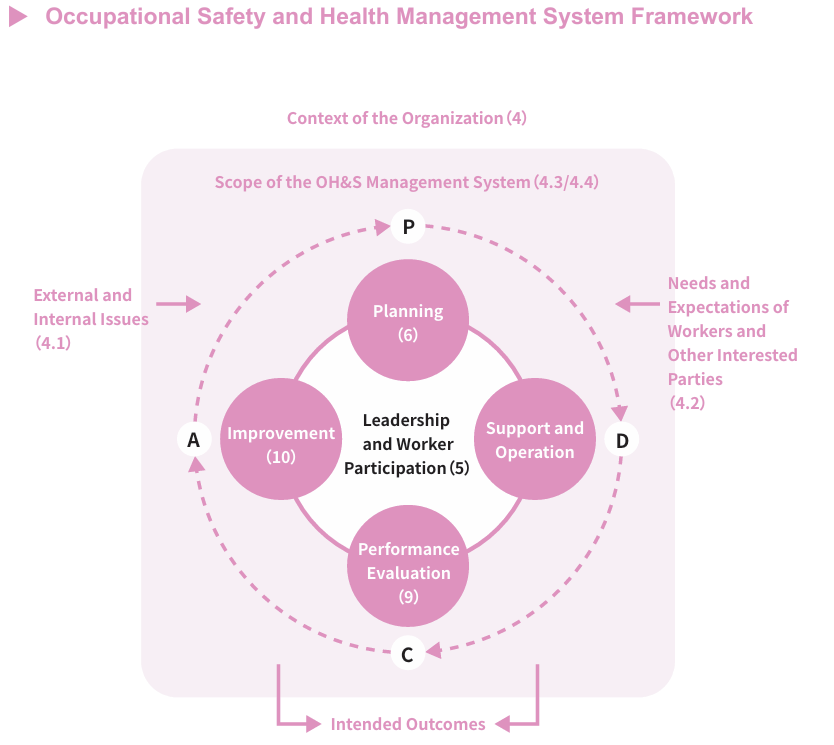
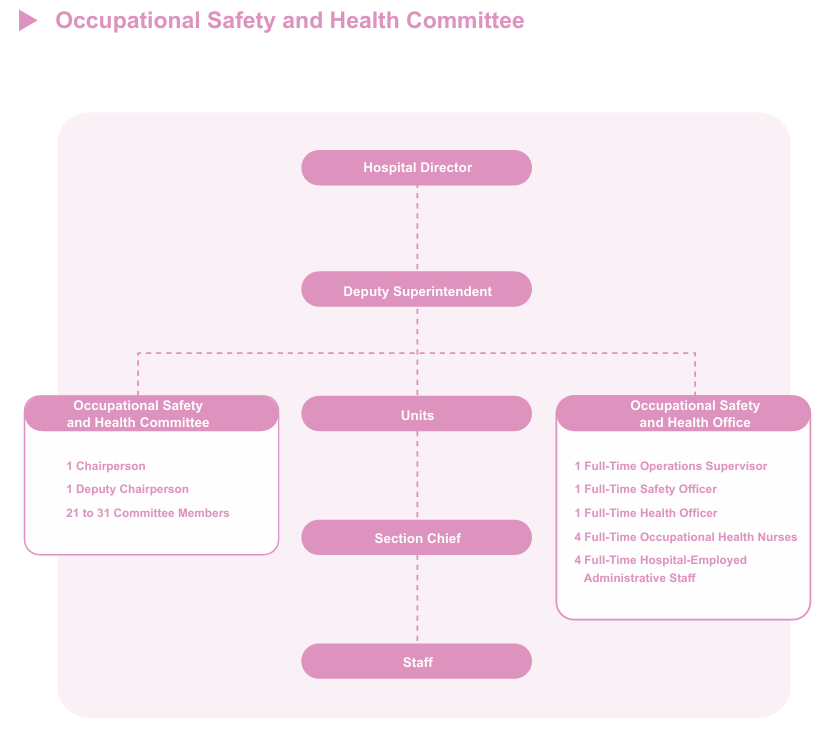
Occupational Safety and Health Committee
NCKU Hospital comprehensively promotes workplace safety and health management through the establishment of the Occupational Safety and Health Committee. The Occupational Safety and Health Committee is chaired by the Vice Superintendent and comprises supervisors from various units, occupational safety and health personnel, engineering and technical personnel related to occupational safety and health, medical and nursing personnel providing labor health services, and labor representatives. Labor representatives account for 33% of the total committee members. In quarterly meetings, they jointly deliberate, coordinate, plan, and make decisions on occupational safety and health issues with the management level. They also track occupational disaster cases, occupational safety and health management plans, health service plans, revisions to safety and health work rules, and related improvement items, thereby implementing mechanisms for employee participation, consultation, and communication.
In 2025, the Occupational Safety and Health Committee continued to review occupational injury cases and proposed improvement directions for topics such as occupational disaster prevention, needle stick prevention, equipment improvement, the use of personal protective equipment, and environmental safety, strengthening the effectiveness of workplace safety management. For high-risk areas and operations within the hospital, the Hospital also reviews and tracks the implementation status and improvement progress of safety inspections, environmental monitoring, and automatic inspections through the committee. When an occupational disaster or accidental incident occurs, the supervisor of the involved unit must attend the committee meeting to deliver a case report, explaining the cause of the accident, improvement measures, and implementation status for cases such as cuts, falls, needle sticks, and equipment operation injuries. The case is only removed from the control list after the meeting confirms that the improvement has been completed. Furthermore, accidental incident prevention measures are announced quarterly to reduce the risk of recurring occupational disasters.
The Hospital also features multiple dedicated committees and operational units, which promote occupational safety and health work based on their respective core functional divisions, forming a cross-unit collaborative safety and health management framework.
To safeguard the workplace safety and health of all workers, the Hospital also incorporates contractors and outsourced personnel into its occupational safety and health management scope. For contractors, the Hospital requires compliance with the "Contractor Safety and Health Management Manual" as well as internal hospital regulations related to infection control, hygiene, and safety. Potential hazards during operational processes are identified and managed through hazard disclosures, safety and health undertakings, and risk surveys. The Labor Safety and Health Office periodically assists in convening contractor discussion and coordination organization meetings, covering occupational safety and health policies, regulatory publicity, occupational disaster case discussions, and deficiency improvements, thereby enhancing contractors' safety and health awareness and operational quality to reduce operational risks within the hospital campus.
Furthermore, regarding outsourced security services, the "Standard Operating Procedure for the Crisis Management Plan of Outsourced Security Services" has been established. This explicitly stipulates that contractors must implement pre-employment and in-service training, duty equipment, manpower allocation, comprehensive management regulations, and confidentiality provisions according to their annual contracts. The Campus Police Corps also conducts two-way communication, duty reviews, and real-time education through monthly security meetings, and has established emergency manpower dispatch and crisis management processes to ensure the continuous and stable operation of security duties within the hospital campus.
Occupational Safety and Health Education Outcomes
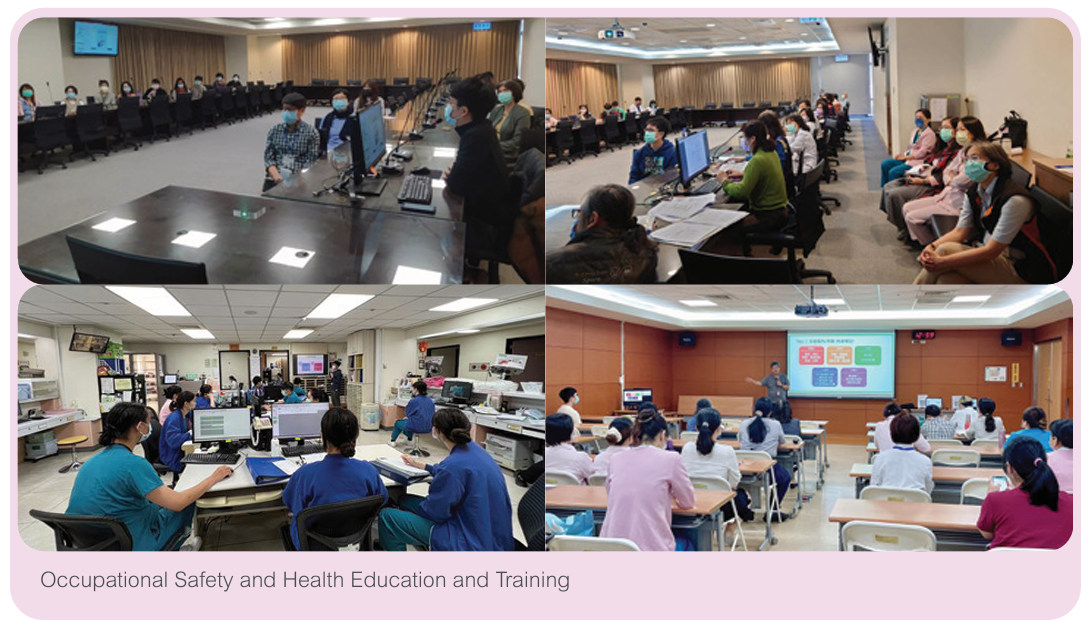
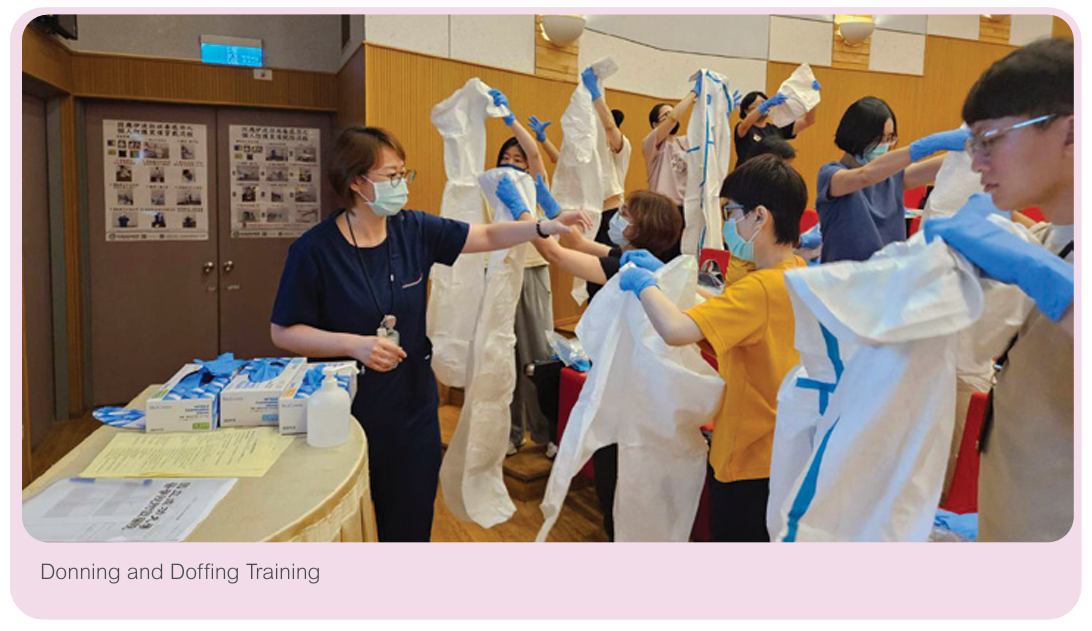
The Hospital attaches great importance to occupational safety and health education and training. In addition to conducting relevant training for new and existing personnel in accordance with regulations, the Hospital has set the retraining cycle for occupational safety and health education to once every 2 years, which is superior to the regulatory requirement of once every 3 years. To enhance employees' workplace safety awareness and emergency response capabilities, the Hospital periodically conducts occupational safety and health education, training, and promotional courses based on occupational safety and health regulations and internal management needs. Furthermore, tailored to different operational risks and job requirements, courses are planned for high-risk personnel protection, defensive driving, prevention of workplace unlawful infringement during the performance of duties, hierarchical management of hazardous chemicals, occupational safety and health education publicity, metabolic syndrome, and stretching exercises. In 2025, the Labor Safety and Health Office organized a total of 17 sessions of hospital-wide safety and health education training and health promotion lectures, with 708 person-times participating, thereby continuously strengthening employees' awareness of workplace hazard identification, accident prevention, and safe operations, and enhancing overall work safety and health protection.
Regarding dispatched workers such as security personnel and contractors, the Hospital also incorporates them into the scope of occupational safety and health management. Security personnel receive pre-employment and in-service education and training according to regulations, covering dimensions such as occupational safety, infection control, emergency response, and duty safety. In addition to annual education and training, duty reviews, two-way communication, and thermal hazard prevention publicity are conducted through monthly security meetings. In 2025, the completion rate of education and training for security personnel reached 100%, except for new hires. Concurrently, the Hospital has formulated the "Standard Operating Procedure for the Crisis Management Plan of Outsourced Security Services," requiring contractors to implement education and training, duty equipment, manpower allocation, management regulations, and confidentiality provisions in accordance with contracts, and supervising security duties and emergency response mechanisms through the Campus Police Corps. The training items for different occupational categories and work risks are as follows:
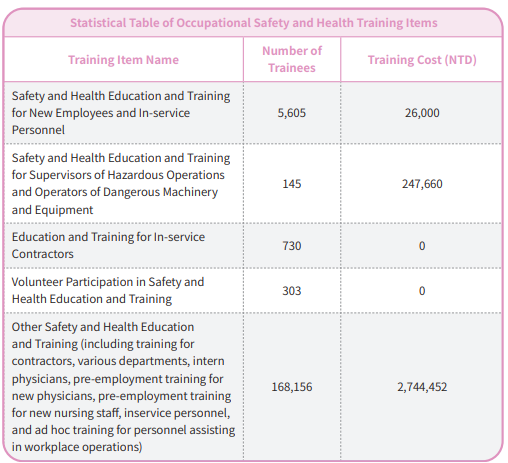
Our hospital's occupational safety and health courses combine in-person training with an online learning system to ensure that all personnel in the workplace can successfully complete the training. Course content is tailored according to job risks and responsibilities, with regular assessments of training effectiveness and needs. We continuously improve educational resources, striving to create a safe, healthy, and efficient medical work environment. In 205, a total of 174,939 participants, including contractors, received occupational safety training, with training expenses amounting to NT$3,018,112.
Maternal Labor Protection
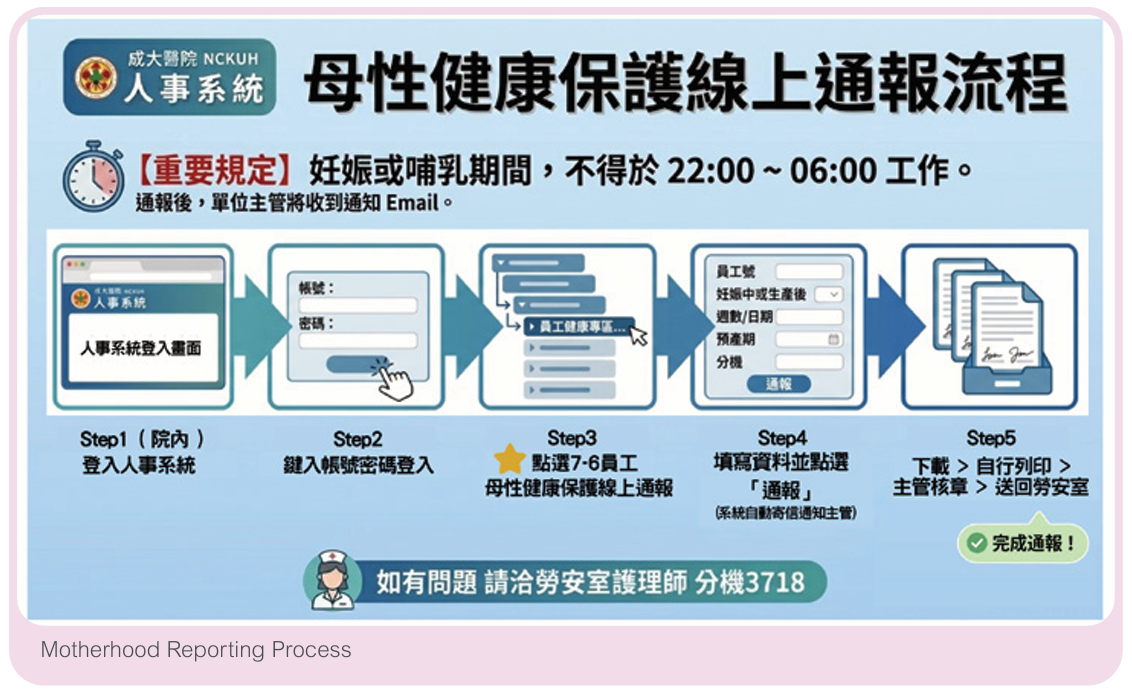
To safeguard the reproductive health of female colleagues and ensure mother-infant safety, NCKU Hospital continuously promotes the "Maternal Health Protection Plan." Through cross-professional team collaboration and comprehensive risk management mechanisms, we provide comprehensive workplace health support for pregnant and postpartum female colleagues, actively creating a safe and friendly working environment. The Maternal Health Protection Plan is implemented in accordance with relevant regulations such as the Occupational Safety and Health Act, the Regulations for the Implementation of Maternal Health Protection of Female Workers, and the Labor Standards Act. The applicable scope includes female colleagues who are pregnant, within one year postpartum, or more than one year postpartum but continue to breastfeed and submit requests. In addition to establishing the "Online Reporting System for Employee Maternal Health Protection," the Hospital also actively cross-references data through leave query mechanisms and the "Declaration of Refusal to Undergo Chest X-ray Examination" to identify colleagues requiring protection as early as possible and provide immediate assistance.
Regarding the execution mechanism, NCKU Hospital coordinates cooperation among occupational safety and health personnel, labor health service medical and nursing personnel, the human resources department, and supervisors of various units to perform hazard identification, environmental monitoring, and risk classification for workplaces, assessing whether potential chemical, biological, ergonomic, or work-stress hazards exist. Through health interviews, self-assessment forms, and health examination results, medical and nursing personnel comprehensively evaluate colleagues' health conditions and work suitability, providing health guidance and recommendations for work adjustments.
The Maternal Health Protection Plan establishes two sets of three-level hierarchical management systems for "workplace environment" and "individual health risk." If a health risk is identified through assessment, the Hospital will assist in adjusting work content, reducing workload, modifying working hours, or arranging temporary alternative work based on individual needs; when necessary, discontinuing original duties will be recommended to reduce health risks to the mother and infant. Concurrently, the Hospital, in principle, does not schedule pregnant or breastfeeding colleagues for night shifts, further protecting the health rights and interests of female workers. Furthermore, all execution records, including assessments, interviews, and work suitability arrangements, are fully preserved for at least three years and are periodically reported to the hospital-wide Environmental Protection, Safety, and Health Committee for review to continuously refine protective measures.
In 2025, NCKU Hospital completed maternal health protection control tracking for a total of 146 person-times, including 82 person-times of pregnant employees, 57 person-times within one year postpartum, and 7 person-times for continuous breastfeeding. The Hospital provided health guidance, work environment improvements, duty adjustments, and subsequent tracking based on risk levels, actively implementing workplace support for female colleagues and their families. Concurrently, to enhance pregnancy-friendly measures, starting from August 1, 2025, pregnant colleagues holding their employee ID cards and valid maternity health booklets can enjoy exclusive pregnancy parking benefits at the Outpatient Building car park, alleviating the burden of commuting. We will continue to improve the maternal health protection system, safeguarding the health of every expectant mother and baby in the workplace through more thorough healthcare and friendly measures.
Occupational Disaster Handling and Tracking
To safeguard the physical and mental health of employees, contractors, and all workers, the Hospital has constructed a comprehensive occupational safety and health service system. By integrating outpatient evaluations, on-site visits, and tracking management, the Hospital builds a solid occupational disaster prevention network. In accordance with the "Standard Operating Procedure for Hazard Identification, Risk Assessment, and Determination of Control Measures," the Hospital systematically identifies multiple hazards—including physical, chemical, biological, and ergonomic hazards—and formulates precise control strategies based on the assessment results to reduce risks from the source. Through a dual-track mechanism of "annual hospital-wide assessments" and "quarterly committee tracking," the Hospital ensures that various safety and health systems are implemented in daily operations, achieving continuous refinement and sustainable transformation of the management system.
For high-risk areas and high-risk operations, the Hospital continuously executes safety inspections, environmental monitoring, and automatic examinations, incorporating the relevant results into the review and tracking of the Occupational Safety and Health Committee. In 2025, the number of internal occupational safety and health audit cases totaled 139, with 29 deficiencies requiring improvement and 29 successfully improved, achieving an improvement completion rate of 100%. This demonstrates the Hospital's determination to continuously enhance safety management effectiveness. Regarding occupational disaster incidents, the Hospital has formulated the "Work Rules (including Employee Accident Prevention Measures)," the "Standard Operating Procedure for Occupational Disaster Handling and Investigation," and the "Directions for Employee Occupational Disaster Condolence and Medical Subsidies" to serve as the basis for incident handling, investigative analysis, improvement tracking, and employee care.
When an accident occurs or when employees discover potential hazards within the operating environment, they can report the issue through the "I Want to Report" system, via telephone, or using paper forms. Following an incident, the Labor Safety and Health Office assists the involved unit with report acceptance, cause investigation, improvement recommendations, and subsequent tracking, presenting and discussing each incident case-by-case within the Occupational Safety and Health Committee. The supervisor of the involved unit must also attend the meeting to provide explanations, analyze causes, and deliberate on improvement measures for cases such as cuts, falls, needle sticks, chemical exposure, and equipment operation injuries. The case is only removed from the control list after the meeting confirms that the improvement has been completed. Furthermore, accident prevention measures are announced hospital-wide on a quarterly basis to prevent similar incidents from recurring.
In addition to acute occupational injuries, the Hospital also attaches great importance to the evaluation and tracking of chronic occupational injuries and suspected occupational diseases. If employees experience physical discomfort due to long-term working postures, repetitive movements, heavy lifting, over-the-shoulder operations, or other work-exposure factors, they can visit the Division of Occupational and Environmental Medicine outpatient clinic for professional evaluation. Based on medical history, diagnostic results, job content, exposure conditions, and necessary on-site visit data, the physician comprehensively determines the correlation between the disease and work, and provides recommendations for treatment, rehabilitation, job adjustments, or subsequent occupational disease applications. Relevant medical treatment and evaluation records are protected by confidentiality regulations, and the final decision to apply for occupational disease identification or compensation completely respects the individual employee's volition.
Occupational disease evaluation is not merely a compensation procedure; it is also a vital process that assists employees, supervisors, and employers in jointly understanding work risks, adjusting job content, and reducing health hazards. Through professional occupational medicine evaluations, on-site operational observations, clarification of risk factors, and cross-unit communication, the Hospital assists employees in managing their own health conditions, while working with their respective units to discuss a manageable scope of work and necessary adjustment measures, thereby balancing employee health, operational safety, and job continuity.
In 2025, no occupational disease cases occurred within the Hospital, nor were there any recordable occupational disease cases. This demonstrates the concrete effectiveness of the Hospital's efforts in workplace health promotion, hazard prevention, and occupational risk management, while reflecting the emphasis and dedication of the entire organization toward protecting employee health.
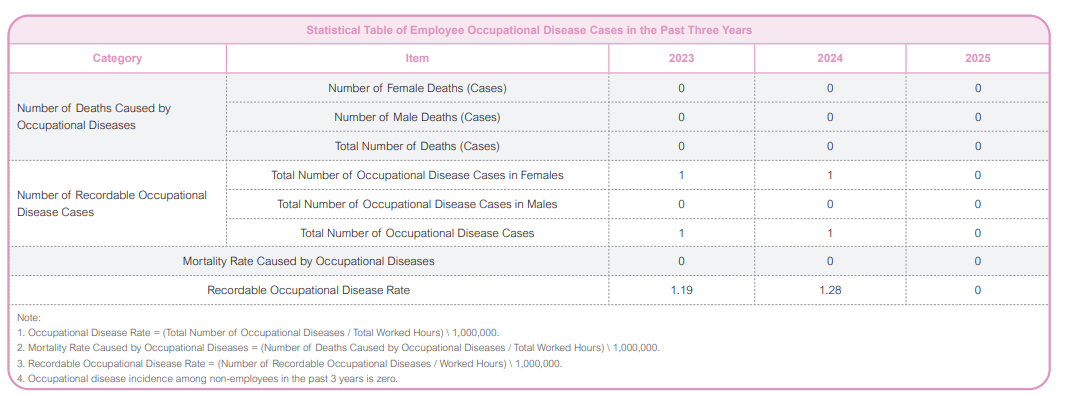
Although the relevant statistical indicators are at zero, the Hospital continues to implement preventive management and continuous improvement through mechanisms such as the Occupational Safety and Health Committee, the accident reporting system, reviews of occupational injury cases, on-site improvements, and educational publicity, thereby strengthening a culture of workplace safety throughout the organization.
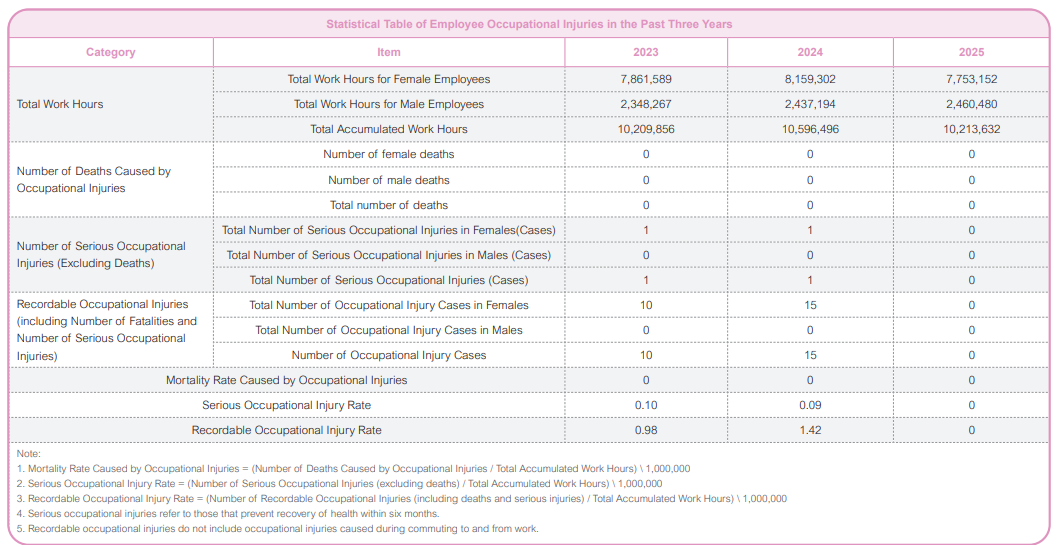
Chronic Occupational Injuries
In response to chronic occupational injuries that employees may experience due to factors such as long-term working postures, repetitive movements, heavy lifting, over-the-shoulder lifting, prolonged standing or sitting, and abnormal workloads, the Hospital provides assistance through occupational medicine outpatient clinics, on-site visits, hazard identification, job adjustments, and health tracking. These mechanisms help employees detect early physical warning signs and receive appropriate support. For common conditions like shoulder and neck soreness, hand numbness, low back pain, musculoskeletal discomfort, or suspected occupational diseases, employees can visit the Division of Occupational and Environmental Medicine outpatient clinic for professional evaluation. Based on medical history, diagnostic results, job content, operational postures, exposure conditions, and necessary on-site visit data, physicians comprehensively determine the correlation between the disease and work, providing recommendations for treatment, rehabilitation, job adjustments, or subsequent occupational disease applications.
Occupational disease evaluation is not merely a compensation procedure; it is also a vital process that assists employees, supervisors, and employers in jointly identifying work risks, adjusting operational content, and reducing health hazards. Employees' medical treatment and evaluation records are protected by confidentiality regulations, and the decision to apply for occupational disease identification or compensation completely respects the individual employee's volition. To enhance evaluation efficiency, employees can provide past diagnostic data, medical imaging, photographs of job content, or videos of operations, helping physicians more thoroughly understand work exposure conditions. Most cases can complete the initial evaluation within 1 to 2 outpatient visits, serving as a basis for subsequent treatment, job adjustments, and health management.
Regarding preventive management, the Hospital implements an ergonomic hazard prevention plan to identify and improve risks that may cause musculoskeletal disorders, such as repetitive tasks, awkward postures, and excessive exertion. An online reporting mechanism for musculoskeletal discomfort symptoms has also been established within the human resources information system to encourage employees to report health issues early. In 2025, the Hospital conducted 9 in-person courses and 2 online courses related to ergonomics, and organized the "Sickness and Soreness Relief Event for Faculty and Staff." The event admitted 100 participants, 96 of whom completed both the pre- and post-tests along with the musculoskeletal discomfort symptom evaluation, achieving a completion rate of 96%. The average grip strength of participants increased from 22.6 kg to 27.0 kg, the event satisfaction score reached 4.6 points, and 71.8% of the participants reported improvements in their musculoskeletal discomfort.
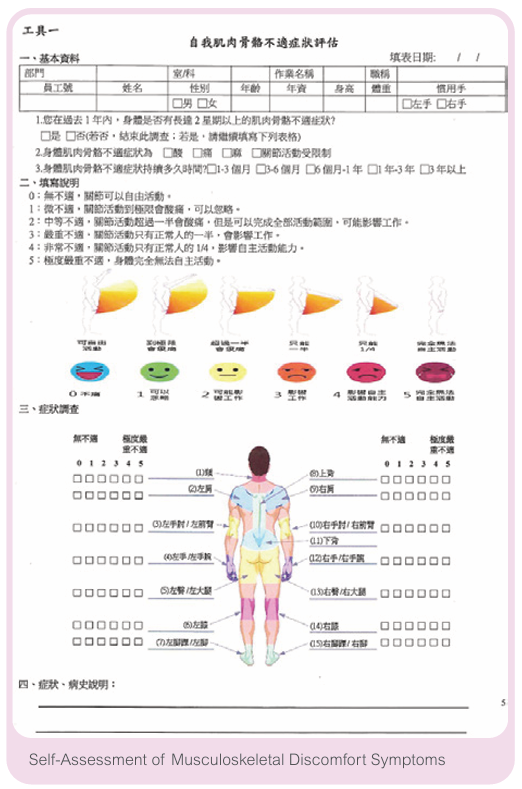
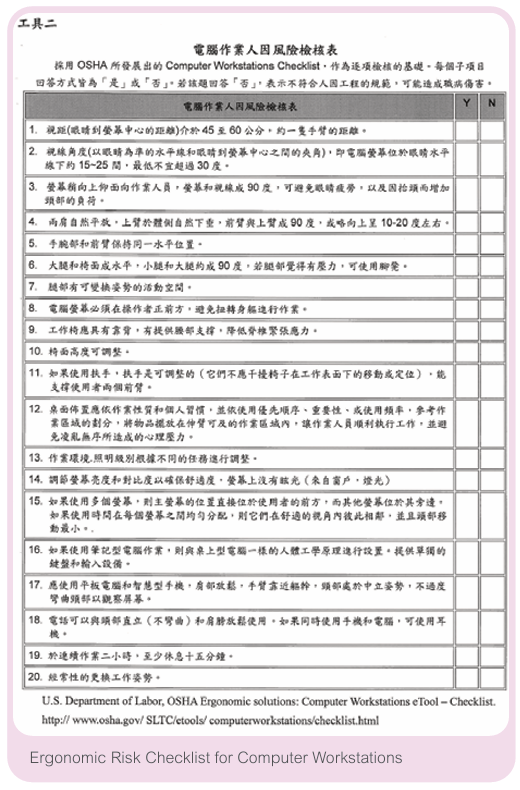
Furthermore, the Hospital promotes the Prevention Plan for Diseases Induced by Abnormal Workloads, executing assessments and hierarchical management targeting long working hours, shift work, night shifts, and cardiovascular disease risk factors. In 2025, through an integrated evaluation of workload questionnaires and health examination data, intervention mechanisms were activated for 50 medium-to-high-risk employees who were recommended or required to undergo interviews. The on-site service team provided health guidance, physician consultations, medical referrals, supportive visits, and health promotion measures such as stress relief, exercise, and nutritional counseling. Through professional medical evaluations, operational risk identification, and friendly workplace adjustments, the Hospital continuously safeguards employee health, fulfilling the workplace health management goal of "Barrier-Free Work, Everlasting Health.”
Acute Occupational Disasters
In addition to chronic occupational injuries that require long-term attention, unexpected acute occupational disasters may also occur within the highly complex operating environment of medical institutions. Based on the case review experience of the Hospital's Occupational Safety and Health Committee, common risks include needle stick or infectious body fluid exposure, cuts, falls, injuries from handling or equipment operations, chemical exposure, and operational environment hazards. In response to such incidents, the Hospital has established protocols including occupational disaster and near-miss reporting, handling of accidental exposure to infectious body fluids, tracking of infectious disease contacts, and prevention and handling of workplace unlawful infringements during the performance of duties. These ensure immediate reporting, medical treatment, cause investigation, improvement tracking, and health management following an incident.
Following an incident, the Labor Safety and Health Office assists the involved unit in conducting investigative analysis, and submits the case to the Occupational Safety and Health Committee for case-by-case review, proposing improvement measures based on the cause of the accident. For instance, regarding needle stick incidents or abnormal medical material packaging, suppliers are required to improve quality control, and internal unit publicity is strengthened. For injuries caused by equipment or furniture, inventory checks, repairs, or replacements are executed. For injuries related to machine operations, operational procedures are reviewed, and safety protections or warning measures are added. Through reporting, investigation, improvement, and tracking mechanisms, the Hospital transforms single incident experiences into institutional improvements and environmental optimization, continuously reducing the risk of acute occupational disasters and reinforcing workplace safety protection for all colleagues.
-
Employee Health Management
Employee Health Check
In 2025, our hospital had 5,114 employees, of whom 352 engage in occupations with special health hazards. Accordance with Article 3 of the Occupational Health Protection Regulations, the hospital has assigned one dedicated employee health service physician and four dedicated employee health service nurses to employee health services, responsible for employee health management, tracking of health examination results, workplace health risk assessment, and related protective measures. For new employees, a physical examination is conducted before they start work, depending on their work unit and job nature. The examinations cover both general employees and those in special occupations to ensure that employees' health status meets workplace safety requirements.
For current employees, the primary health check targets in 2024 are civil servants aged 40 and above, all personnel aged 65 and above, and special operations workers. Health checks are conducted in accordance with the Labor Health Protection Regulations, with special attention to those engaged in work involving special health hazards such as ionizing radiation, lead, noise, dust, formaldehyde, and manganese. This also includes personnel indietary services, ethylene oxide, dialysis rooms, environmental management,laboratories, and chemotherapy operations, who undergo regular health checks. The hospital’s health check items exceed regulatory requirements. In 2025, a total of 2,038 employees participated in health examinations, achieving a completion rate of 100%. Through tracking abnormal health examination results, hierarchical health management, and on-site health services, the Hospital provides employees with subsequent health guidance and necessary assistance, continuously strengthening workplace health management.
For example, employees over 40 receive additional tests including a full blood count, hepatitis B surface antigen and antibody, hepatitis C virus antibody,Serum Glutamic Oxaloacetic Transaminase (SGOT), total bilirubin, uric acid,limb blood flow and pressure measurement, electrocardiogram, fecal occult blood test, and abdominal ultrasound, Furthermore, three advanced health screenings are provided for senior employees, including low-dose computed tomography (LDCT) lung cancer screenings for employees aged 45 and above, Helicobacter pylori examinations for employees aged 50 and above, and quantitative immunological fecal occult blood tests for employees aged 50 and above. In 2025, the number of senior employees participating in these three advanced health screenings totaled 2,038, achieving a completion rate of 100%, thereby helping employees manage health risks early and implementing disease prevention and health promotion.
To reinforce the prevention of high-risk diseases among middle-aged and elderly colleagues, the Hospital proactively invested NT$1,221,144 in 2025 to promote three items under the "Advanced Employee Special Health Examination Project" to implement early screening and preventive medicine:
- Low-Dose Computed Tomography (LDCT) Scan: Provided for employees aged 45 and above, with a total of 573 participants.
- Helicobacter Pylori Screening: Provided for employees aged 50 and above, with a total of 573 participants.
- Fecal Occult Blood Test: Provided for employees aged 50 and above, with a total of 364 participants.
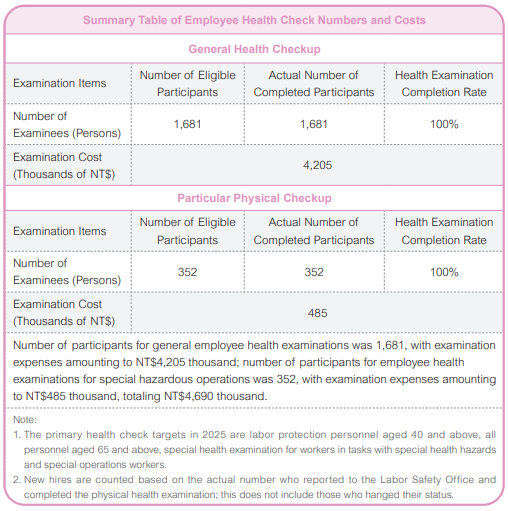
Health Promotion Activities
Through cross-departmental professional team collaboration among the Department of Family Medicine, the Division of Occupational and Environmental Medicine, the Department of Nutrition, and the Labor Safety and Health Office, the Hospital periodically analyzes employee health examination results. Based on these findings, various health promotion activities are planned and promoted to continuously build a safe, healthy, and friendly workplace environment. In 2025, the Hospital organized the "Health Dong-Zi" (Health & Movement) event, adopting three major strategies: "data-driven, professional intervention, and incentive motivation." In collaboration with the NCKU Sports Science Center, the project incorporated InBody body composition analysis and grip strength tests, guiding colleagues to establish regular exercise and healthy eating habits through professional nutrition and exercise courses, alongside digital social communities. During the event, participating colleagues achieved a cumulative weight loss of 138.8 kg, with an overall satisfaction rate of 92%. Furthermore, scientific data demonstrated that participants made significant progress in both body fat percentage and muscle strength performance, successfully internalizing "preventive medicine" as part of the workplace culture.
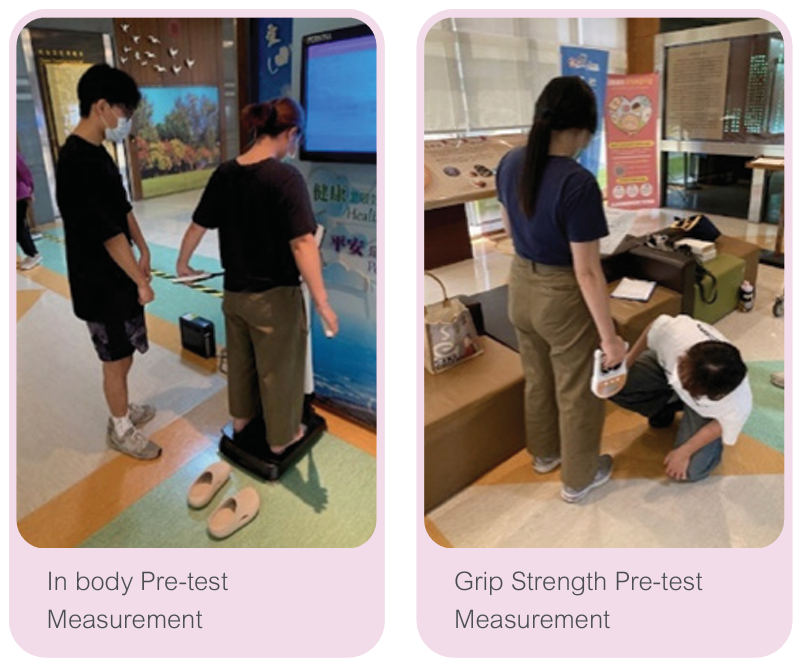
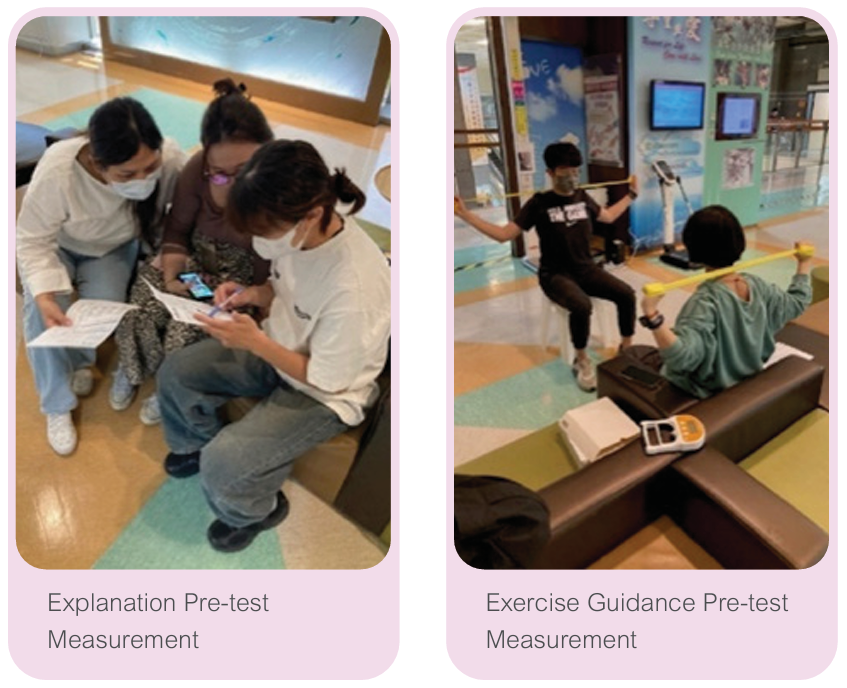
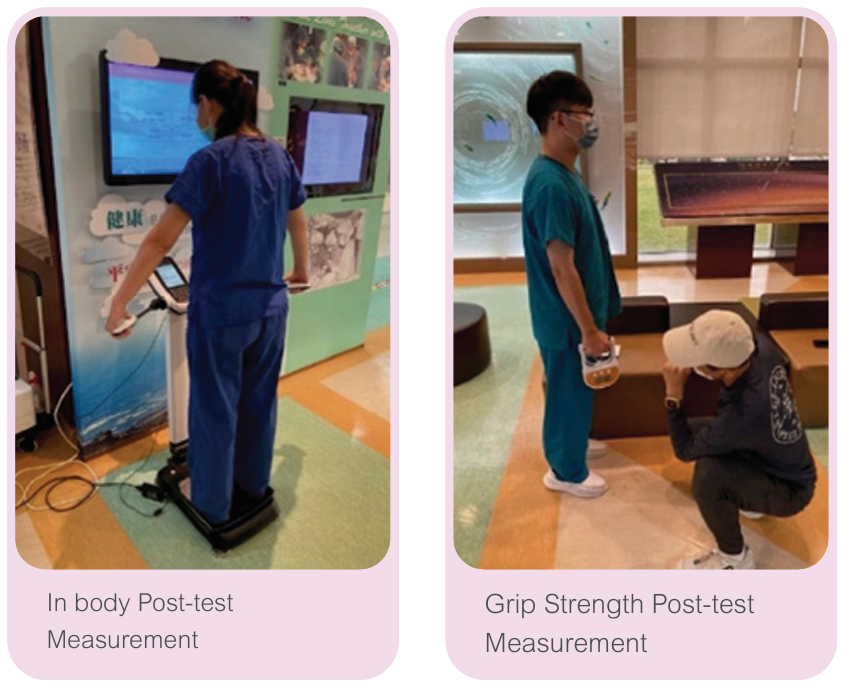
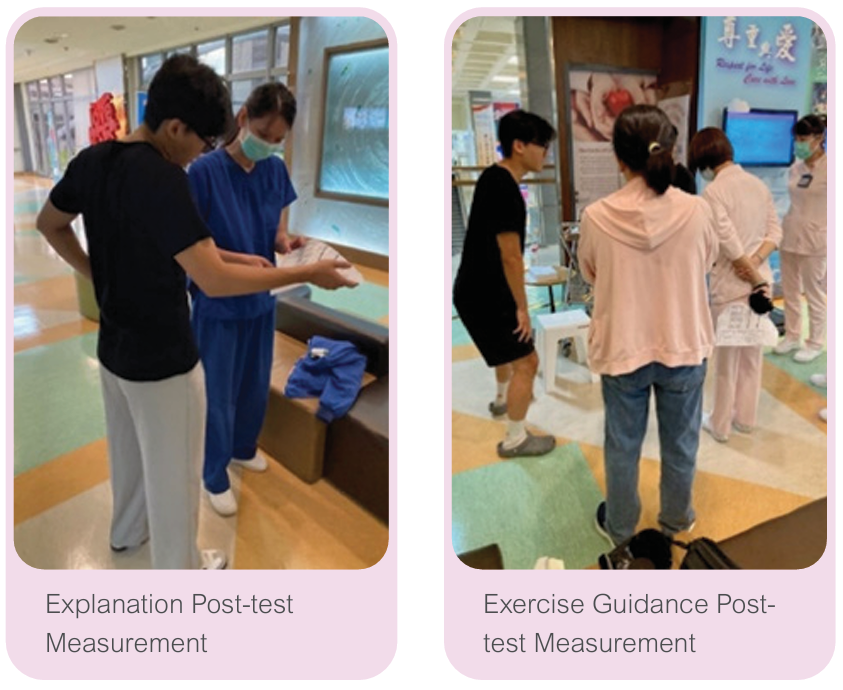
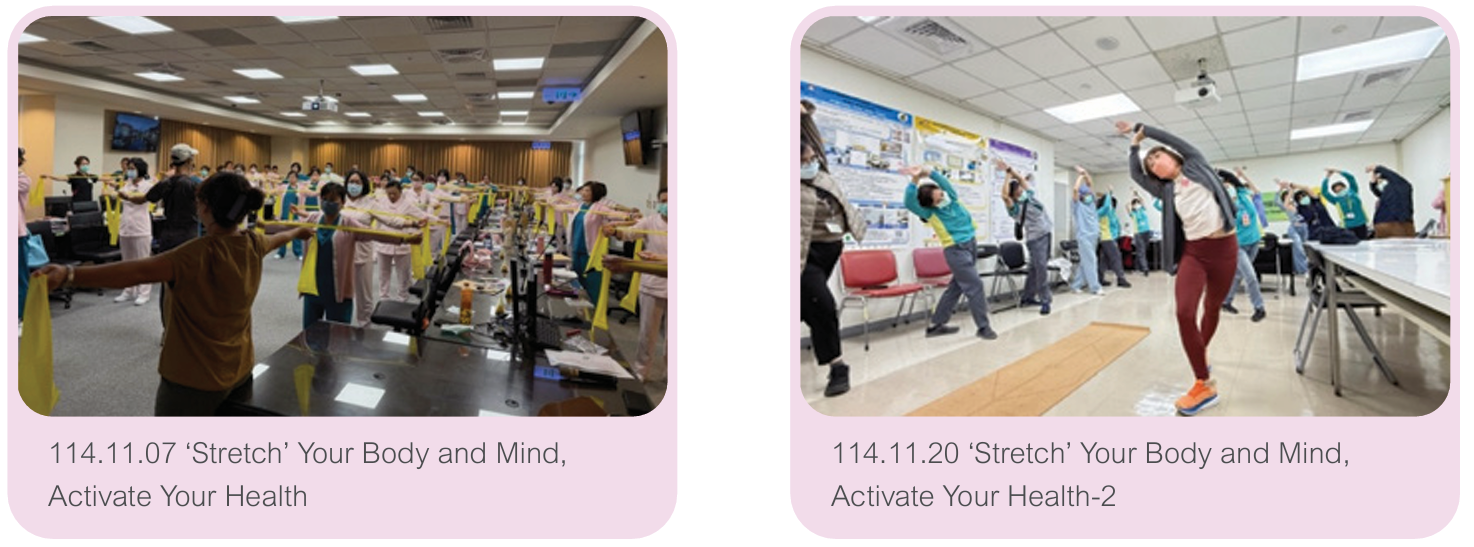
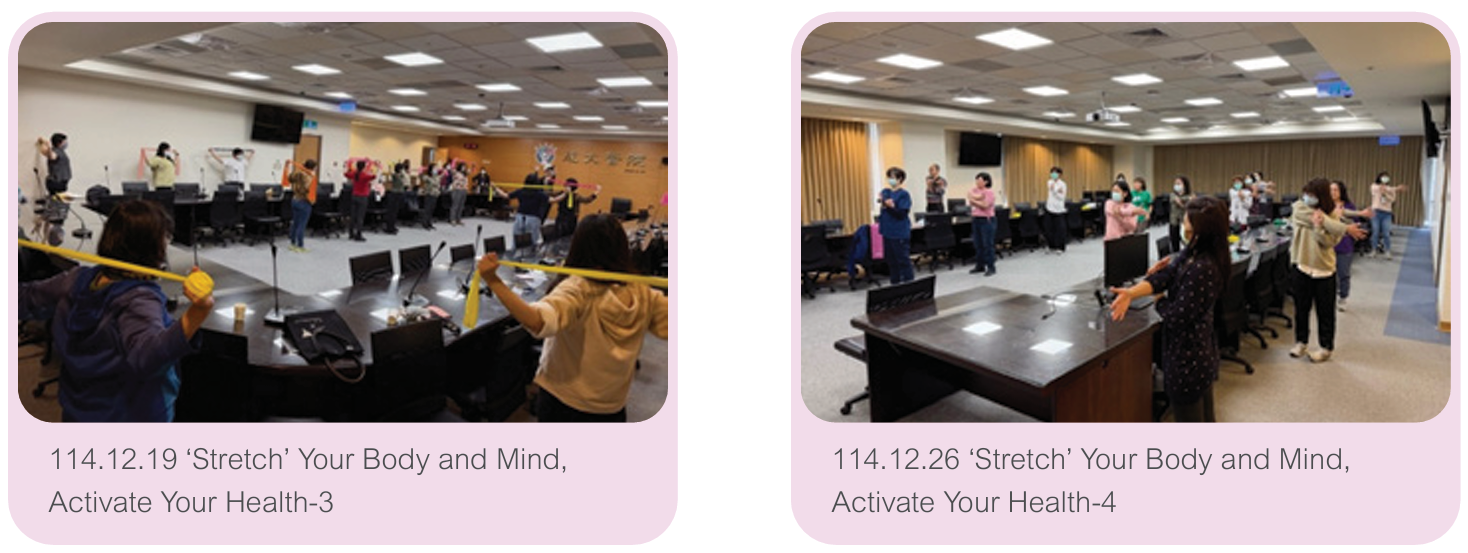
Furthermore, we promoted the "‘Stretch’ Your Body and Mind, Activate Your Health" project. In response to muscle tension and occupational fatigue commonly seen in the workplace, the Hospital adopted a dual-track approach of "hospital-wide popularization" and "unit-level deep cultivation," pioneering a "unit application system" to deliver professional coaching resources directly to the clinical front line. This assisted healthcare colleagues in utilizing precise stretching and core stability techniques to prevent occupational injuries amidst busy shift schedules.
A total of four sessions of courses were conducted during the event, accumulating 153 person-times of participation. By distributing resistance bands and cultivating "unit seeds," health awareness was successfully extended from the classroom into daily routines. Quantitative outcome indicators showed that colleagues provided significant positive feedback regarding muscle tension relief and stress release, with a satisfaction score as high as 4.96 points (out of a 5-point scale).
-
2025 Annual Execution Results of Strategic Objectives
|
C3-1 Promotion of Healthy Workplace Activities |
||
|
Annual Goals |
Implementation Status |
Target Achievement |
|
Promote at Least One Healthy Workplace Activity |
Organized 1 session of the "Health Dong-Zi" (Health & Movement) and Metabolic Syndrome Prevention Event
|
〇 |