

Consolidating Human Resources
-Consolidating Human Resources-
National Cheng Kung University Hospital regards its employees as the essential foundation for the sustainable development of healthcare services, and is deeply committed to cultivating a diverse, inclusive, secure, supportive, and developmental workplace environment. Facing the compound challenges of escalating healthcare manpower demands, intense competition for specialized professional talents, and organizational generational succession, the Hospital continuously refines its talent cultivation, career lifecycle support, and family-friendly workplace initiatives. This holistic framework empowers personnel from diverse backgrounds, clinical specialties, and professional experiences to fully unleash their expertise, injecting multifaceted perspectives and innovative momentum into our healthcare services to further elevate clinical care quality, organizational resilience, and long-term developmental energy.
National Cheng Kung University Hospital firmly believes that exceptional talent serves as the sustainable core driving healthcare innovation and high-quality services. The Hospital is deeply committed to constructing a "people-centered" DEI (Diversity, Equity, and Inclusion) workplace. In 2025, the local procurement and hire rate of senior management reached 100%. Concurrently, through safeguarding the employment rights of indigenous peoples and vulnerable groups, the Hospital actively materializes its commitment to social inclusion.
To protect and care for our employees in an all-around manner, the Hospital integrates multifaceted communication channels, such as the “Cheng Kung Window" and the "Happiness Hotline," providing a comprehensive care infrastructure spanning psychological counseling, legal consultation, and occupational safety and health protection. Progressing from data-driven governance to substantive care, the Hospital not only tracks caseloads on a quarterly basis to optimize administrative efficiency, but also continuously enhances compensation, benefits, and retirement security. This ensure that every colleague can grow alongside the Hospital in a secure and respected environment. National Cheng Kung University Hospital will continuously cultivate talent sustainability, transforming a happy workplace into a powerful momentum for safeguarding public health.
-
Mitigation and Improvement of Labor Shortages Across Professional Categories
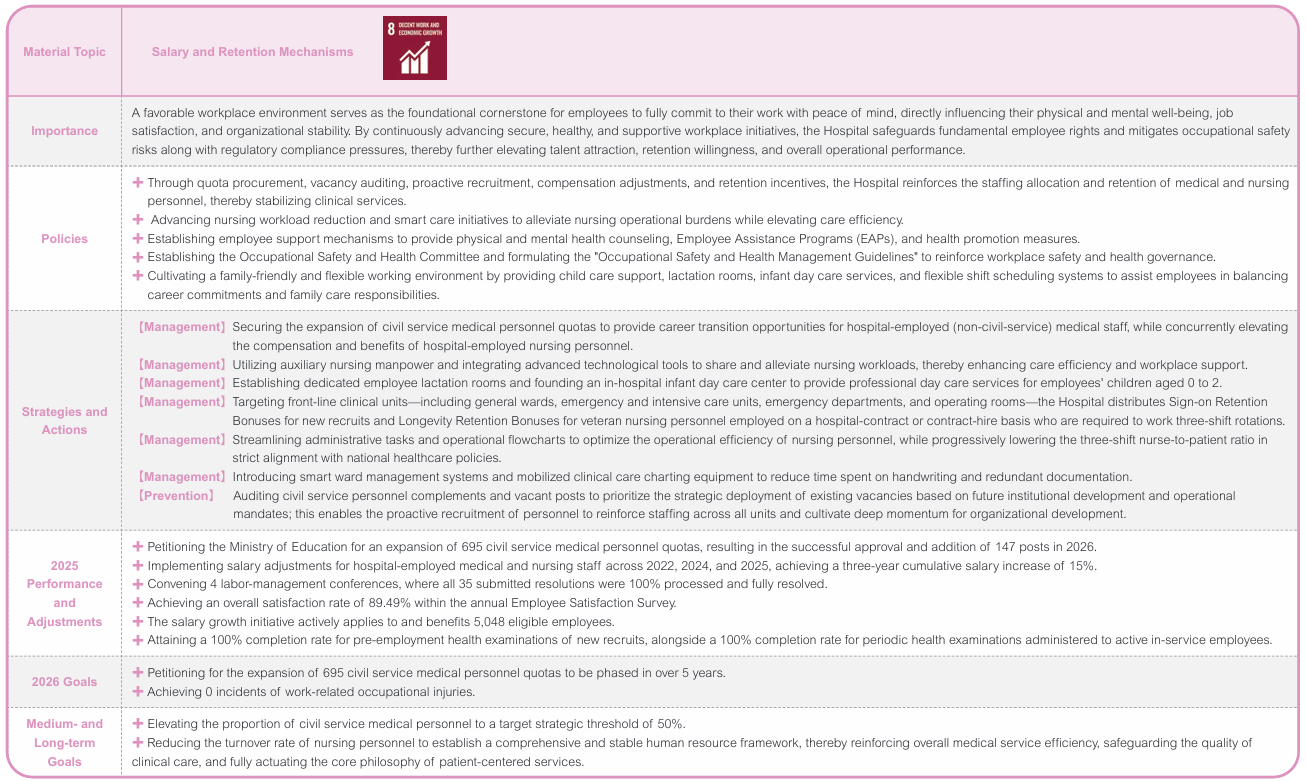
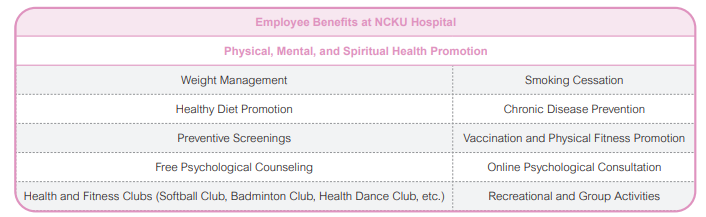
The Hospital has long prioritized the physical and mental well-being alongside the professional development of our colleagues, and is continuously dedicated to alleviating operational workloads. To this end, multiple concrete initiatives have been implemented, including the provision of various mind-body-spirit balance programs, the recruitment of additional hourly-rated part-time nurses and administrative support staff, and the provision of child care services. Furthermore, the Hospital plans to introduce nursing assistants in 2026 to further optimize staffing allocation, reduce the work burdens of our colleagues, and cultivate a more friendly and supportive working environment.
Employee Statistics
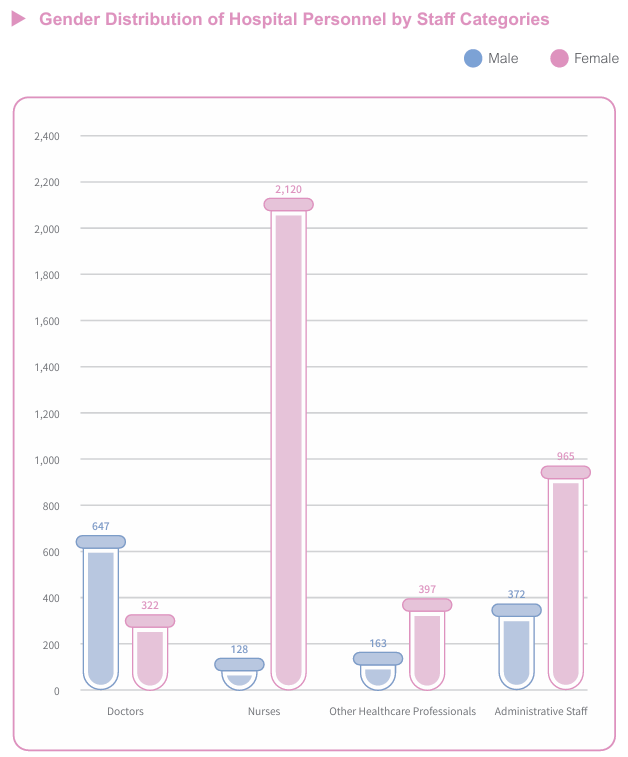
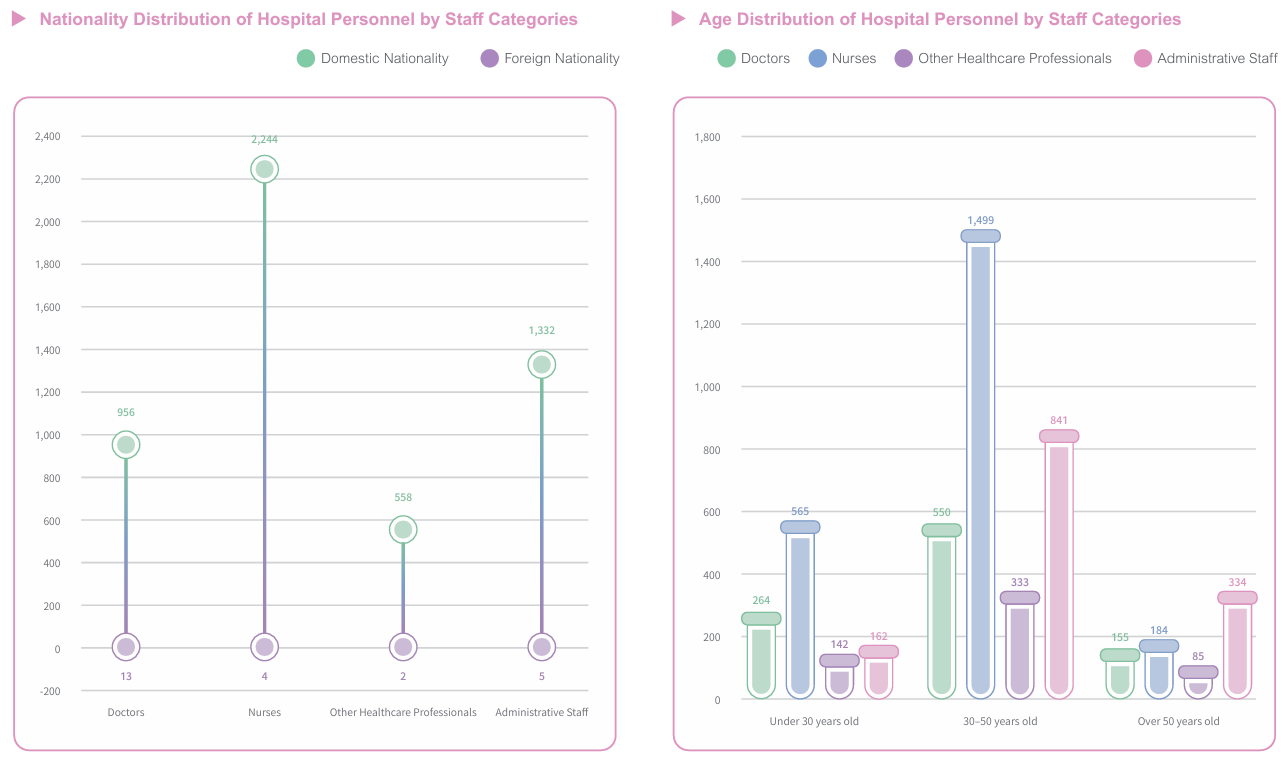
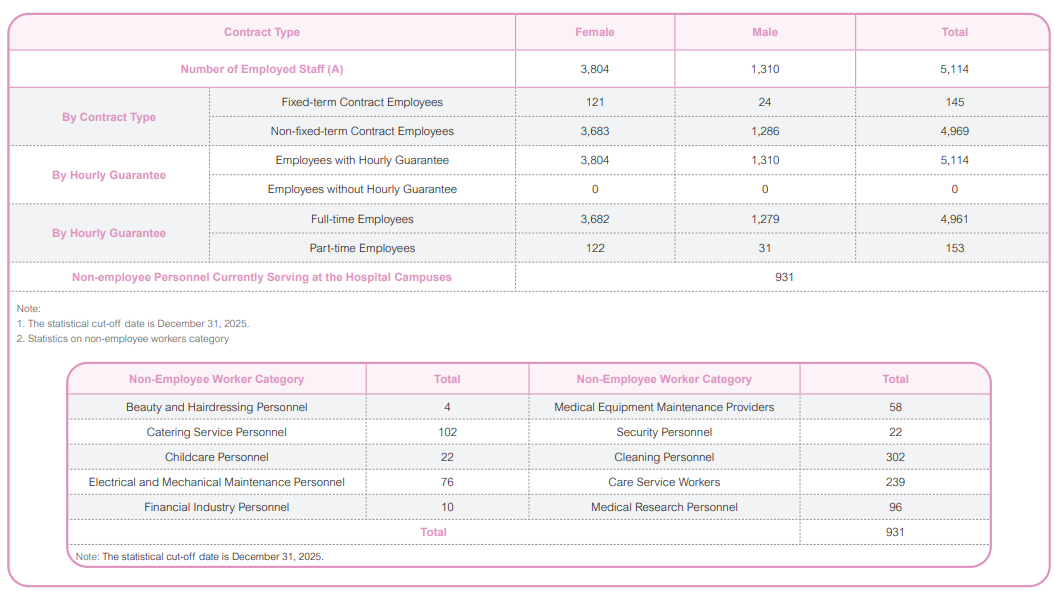
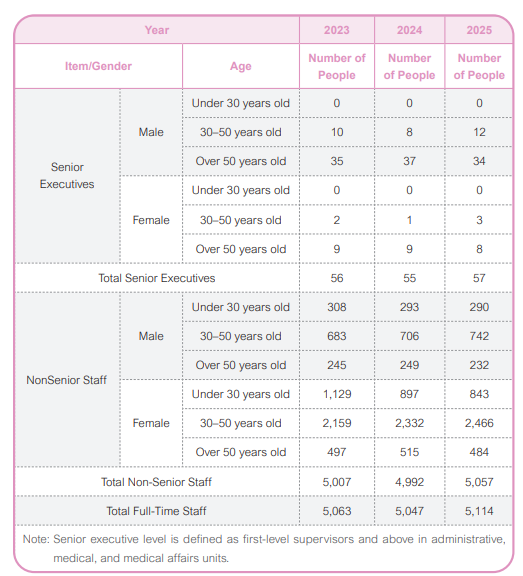
As of the end of 2025, the total number of employees at National Cheng Kung University Hospital, including part-time staff, stood at 5,114 individuals, encompassing physicians, nurses, medical technicians, research assistants for designated projects, and part-time personnel. By employing managerial talents with local backgrounds and professional competencies, the Hospital reinforces its understanding of and response to local community needs, thereby driving the localized implementation of organizational governance and social responsibility; notably, 100% of the senior management tier consists of local residents.
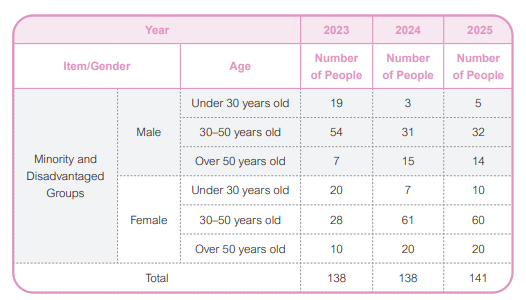
In strict alignment with the “Indigenous Peoples Employment Rights Protection Act,” the Hospital ensures that the workplace rights of indigenous employees are thoroughly protected and respected, thereby actuating the sustainable values of workplace equality and social inclusion. Concurrently, the Hospital maintains continuous focus on the employment of minority and vulnerable groups; in 2025, the number of employees hired from vulnerable groups reached 141 individuals, demonstrating the Hospital's steadfast commitment to fostering a diverse and inclusive (DEI) workplace environment.
Furthermore, regarding the outsourced labor procurement contracts within the Hospital—spanning 7 distinct operational categories: general affairs, central supply, engineering, medical instrumentation, information technology, laboratory testing, and patient care assistive services—there are 98 active procurement projects in total. Within these contracts, the number of non-employee workers with full-time equivalents (FTE) totaled 400 individuals, representing a minor increase of 7 individuals (an approximate growth of 1.8%) compared to 2024, indicating a highly stable fluctuation matrix. Additionally, for individuals who do not fall under labor procurement contracts, including those tied to the Hospital's onsite commercial venue leasing agreements, the head count stood at 531 individuals. Concurrently, the total number of non-employee personnel providing essential services within the hospital premises stands at 931 individuals.
Personnel Turnover and Career Lifecycle Transitions
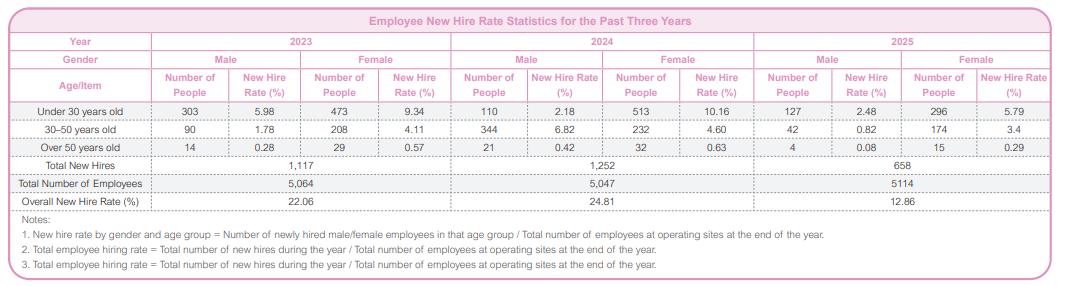
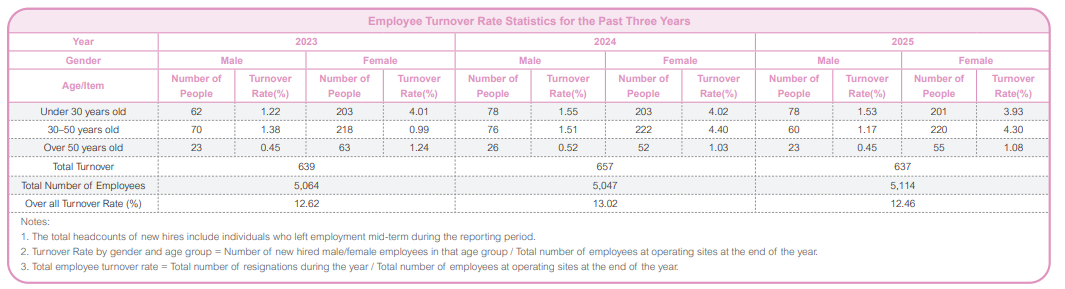
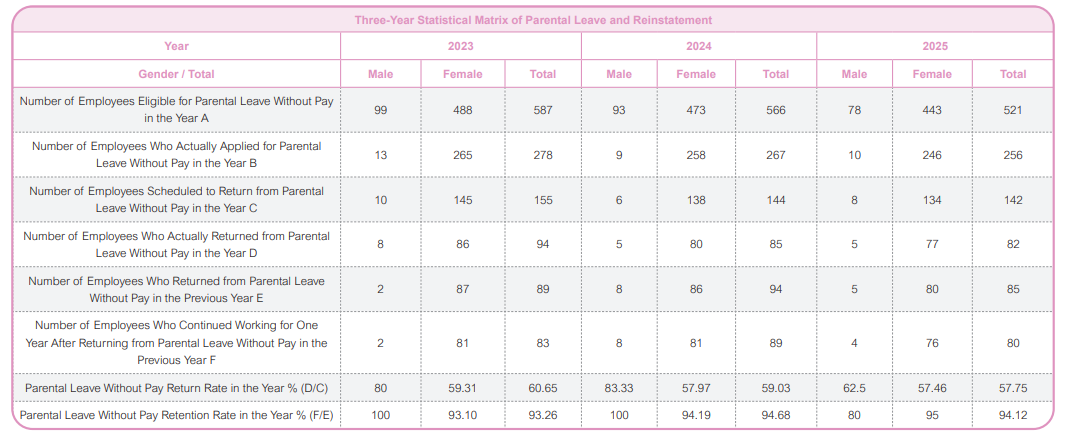
Statistics indicate that the overall turnover rate in 2025 was 12.46%, representing a decrease of 0.56 percentage points compared to 13.02% in 2024, demonstrating that the overall personnel mobility matrix remains thoroughly stable. Concurrently, the overall recruitment rate was 12.86%, a decrease of 24.81% compared to 2024; this variation is predominantly attributed to the statistical recalibration beginning in 2025, which excludes completing interns and temporary personnel from new recruit headcounts, thereby altering the statistical baseline from previous years. Additionally, in 2025, the reinstatement rate after parental leave was 57.75%, consistently hovering around the 60% baseline, while the retention rate after parental leave reinstatement reached a prominent 94.12%, continuously maintaining a level above 90%. These metrics clear the steady efficacy of the Hospital's institutional initiatives in supporting employee childcare and post-reinstatement career longevity.
National Cheng Kung University Hospital regards its employees as long-term sustainable partners. Beyond adhering strictly to statutory provisions—such as “the Civil Servant Retirement, Severance”, and “Compensation Act”, “the Labor Standards Act”, and “the Labor Pension Act”—to administer employee pension fund allocations and retirement procedures, the Hospital actively extends its humanistic care to the post-retirement quality of life and sustainable career transitions of its personnel. The Hospital periodically conducts diverse financial seminars on pension planning, commercial insurance, and wealth investment to assist colleagues in early-stage life and financial coordination, thereby constructing a secure late-life security. Concurrently, for retiring personnel or those with transitional mandates, the Hospital provides competency retraining programs and specialized professional consultations, empowering them to transition into roles such as advisory lecturers and medical consultants, ensuring that their profound professional experiences and core values continue to propagate. Furthermore, the Hospital provides holistic health monitoring and psychological counseling services, supporting employees to embrace their post-retirement life stages with optimal physical and mental well-being, while actively encouraging retired colleagues to participate in internal hospital volunteer training and public service, extending their vital connection to the Hospital and local society.
Furthermore, to ensure that colleagues' labor rights and transition phases are fully safeguarded during operational adjustments or organizational position modifications, the Hospital formulates explicit, transparent resignation and contract termination protocols tailored to diverse post attributes.
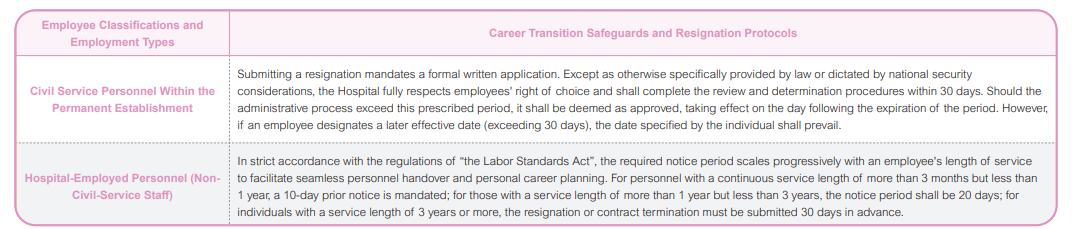
By implementing the statutory prior notice mechanism, the Hospital ensures information symmetry and secures reasonable timeframes for both parties regarding job handover and preparation, thereby fully materializing the core organizational value of respect for talent.
AI Nursing Infrastructure and Clinical Innovation
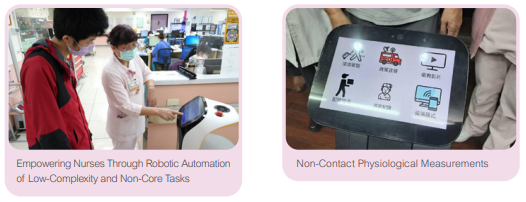
Confronting the dual systemic challenges of Taiwan's declining birthrate and accelerating population aging, healthcare demands are escalating exponentially while medical and nursing forces face structural shortages. To aggressively mitigate nursing shortages, prolonged operational hours, and heavy work burdens, the Hospital has joined forces with the "Cognitive Multimedia IC Design Laboratory" led by professors from the Department of Electrical Engineering at National Cheng Kung University. Through this synergy, advanced smart technologies are integrated into clinical innovations, leveraging AIoT (Artificial Intelligence of Things) technologies and ChatGPT language models to develop medical care service robots and intelligent systems equipped with 8 core functionalities. The deployment matrix encompasses essential services such as ward navigation, meal-catering logistics, medication identification, interactive patient dialogues, and non-contact physiological measurements, all fully operational across computer and mobile platforms to deliver both practical utility and deployment flexibility.
National Cheng Kung University Hospital selected its Surgical Ward 8A as the clinical pilot site, conducting rigorous onsite testing of the smart service robots for more than one year. Empirical data clear that, under the facilitation of the intelligent system, the daily operational time of nursing personnel for designated tasks was drastically truncated from 100 minutes to within 33 minutes, marking a prominent efficiency elevation of over 3 times, while concurrently achieving an employee satisfaction rate of over 90%. The deployment of these intelligent service robots not only effectively shares and alleviates the workloads of medical and nursing personnel, but also empowers clinical staff through technological enablement to elevate overall healthcare care quality, thereby constructing a rock-solid foundation for the sustainable development of clinical environments.
- 2025 Annual Execution Results of Strategic Objectives
|
C2-1 Employee Satisfaction Percentage |
||
|
Annual Goals |
Implementation Status |
Target Achievement |
|
❶Departmental employee satisfaction survey response rate reaches 70% ❷Employee satisfaction percentage ≥ 90% ❸Satisfaction percentage on fatigue management among medical staff ≥ 85% |
❶ Hospital-wide employee satisfaction survey response rate: 72% ❷ Employee satisfaction: 90% ❸ Satisfaction percentage on fatigue management among medical staff: 85% |
〇 |
-
Talent Retention Measures
The Seven Strategic Pillars for Talent Retention
The overall employee satisfaction rate at NCKU Hospital is 90%, slightly below expectations. Possible reasons include unmet expectations regarding salary and bonuses,as well as increased workload. Moreover, the satisfaction rate for fatigue management among medical and nursing personnel is 85%, indicating room for improvement.
This may be due to ongoing manpower attrition, which increases the workload and working hours of existing staff, thereby affecting job satisfaction and physical and mental health. To address the shortage of medical and nursing staff and enhance retention, the Hospital has implemented the following seven measures.
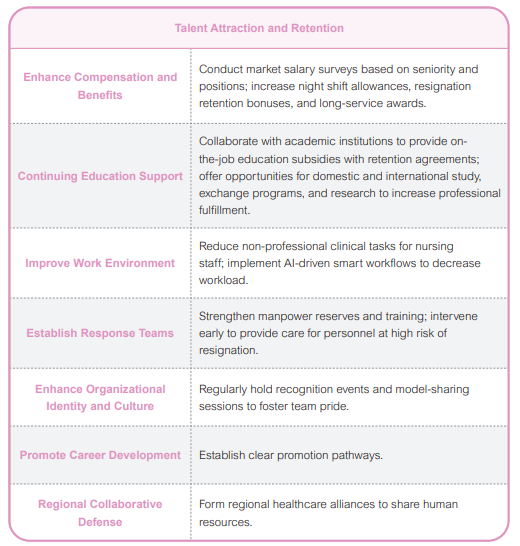
Salary and Remuneration Adjustments
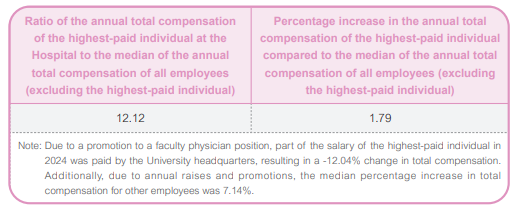
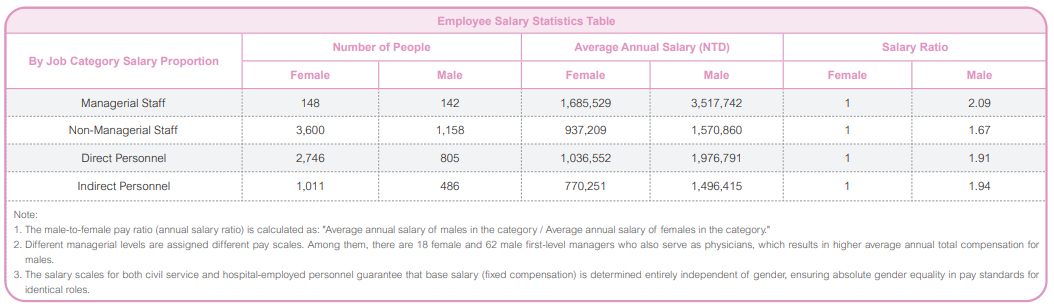
The Hospital is deeply committed to constructing a fair, equitable, reasonable, and highly competitive salary and benefits framework. Concurrently, it structures a multifaceted welfare ecosystem spanning health promotion, work-life balance, childcare support, leisure and recreation, and retirement care to comprehensively address the diverse needs of our employees across different lifecycle stages. In 2025, in alignment with the overarching remuneration policies and tactical talent retention demands, the Hospital administered an annual salary adjustment with a pay raise margin ranging from 3% to 7% to reward our employees' professional contributions and reinforce our overall compensation competitiveness. Furthermore, beginning in 2026, specialized stipends (supplementary allowances) will be designated and distributed to specific professional categories, further elevating the retention efficacy and incentive momentum for talents within critical professional sectors.
Unobstructed Channels for Promotion and Reinstatement
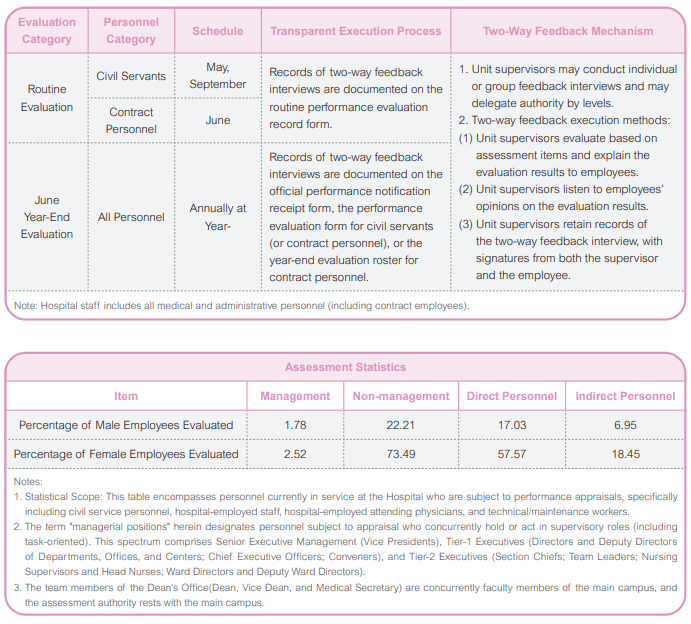
NCKU Hospital has established a “Personnel Review Committee,” which holds regular meetings in accordance with organizational regulations and maintains complete meeting records. The Hospital also implements appropriate rewards and penalties based on employees’ specific performance, and compiles such cases as references for the Performance Evaluation Committee. Disciplinary and reward measures are executed based on the results of year-end performance evaluations.
The Hospital’s promotion and evaluation system—covering system revisions, personnel promotions, and reward and penalty procedures—are reviewed by relevant committees, with participation from grassroots employee representatives to ensure procedural fairness and diversity of perspectives.
In appraisal practices, the Hospital drives a bidirectional feedback mechanism; in 2025, the coverage and completion rate of employee performance appraisals reached 100%. For individuals whose appraisal outcomes indicate competency constraints or a failure to meet operational requirements, the Hospital mandates the respective departments to conduct structured counseling and humanistic care. Concurrently, the counseling progress and performance improvement plans (PIP) are rigorously documented to facilitate subsequent institutional monitoring and tracking, while rich continuous education resources are synchronized to empower their career growth. Furthermore, the Hospital implements objective promotion scoring standards to ensure unobstructed, multifaceted advancement channels; notably, hospital-employed personnel demonstrating exceptional performance can be selected to transition into civil service complements, while civil service personnel can advance into managerial positions in accordance with internal promotion protocols.
To materialize talent sustainability, the Hospital has strategically designed and engineered a specialized reinstatement mechanism for retired physicians, effectively extending their clinical wisdom and pedagogical experiences to ensure the stable inheritance and continuity of specialized medical expertise. Through this holistic, full-lifecycle framework—spanning from initial onboarding to retirement, and from humanistic care to continuous growth—the Hospital has successfully constructed a sustainable and co-prosperous workplace culture, substantially reinforcing organizational cohesion and solidarity.
Since the inauguration of the retired physician reinstatement mechanism in 2021, a cumulative total of 4 senior physicians, each having dedicated over 30 years of exceptional service to the Hospital, have been officially reinstated. All 4 individuals possess preeminent achievements and hold exalted prestige within their respective medical domains. They continuously contribute their specialized expertises across the Hospital's clinical, educational, and research vectors, passing down invaluable experiences, which profoundly catalyzes healthcare quality elevation and medical talent cultivation. Furthermore, upon their reinstatement, these senior physicians are entitled to draw professor- or associate-professor-level salary and remuneration packages based on their credential qualifications, while simultaneously enjoying identical comprehensive welfare benefits as the Hospital's active attending physicians, thereby demonstratively materializing the Hospital’s profound reverence, high esteem, and premium courtesy toward senior medical talents.
-
Employee Benefits Optimization
Family-Friendly Workplace Practices
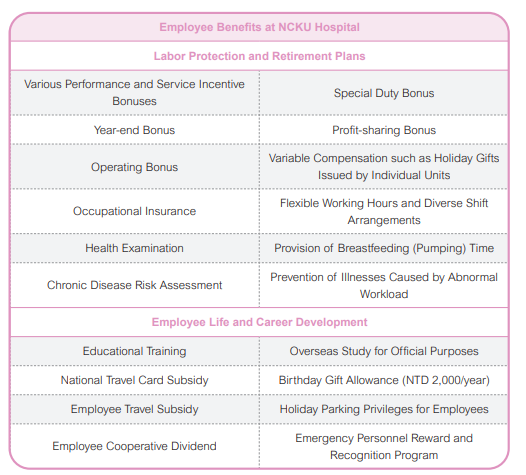
National Cheng Kung University Hospital is profoundly committed to constructing an attractive and sustainable career environment. Through an encompassing welfare framework, family-friendly infrastructure, and robust workplace support measures, the Hospital facilitates employees in achieving a healthy work-life balance, thereby consolidating organizational cohesion and enhancing long-term retention willingness, ultimately materializing the institutional commitment to employee stewardship and sustainable development.
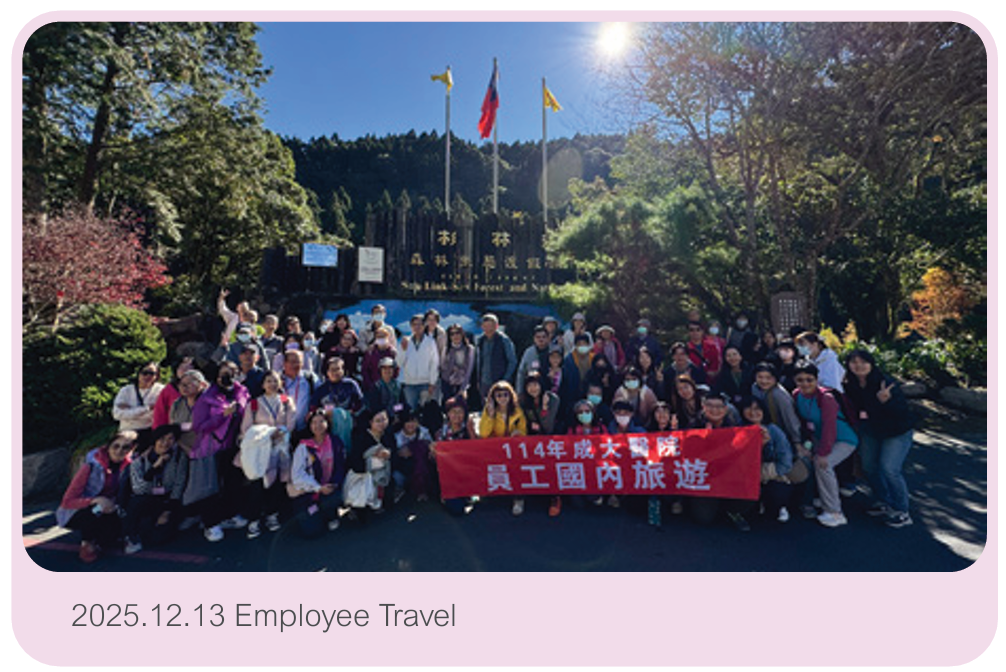
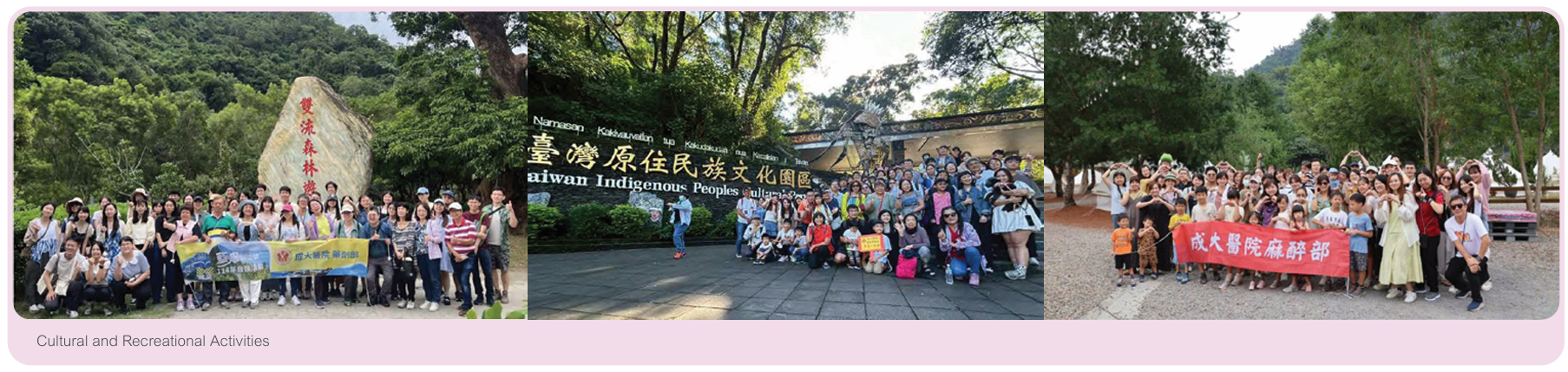
The Hospital provides a multifaceted spectrum of employee benefits, including various institutional incentive bonuses, ad-hoc performance bonuses, flexible working hour options, and periodic comprehensive health examinations. Furthermore, it establishes diverse infrastructure and lifestyle facilities such as staff dormitories, sports and recreational facilities, parking lots, shuttle buses, on-call rest quarters, lactation rooms, an onsite hair salon, and a laundry workshop to seamlessly support colleagues' daily existential requirements. Concurrently, the Hospital offers corporate medical discounts, employee excursions, discounted tickets for cultural and artistic activities, subsidies for cultural and recreational clubs, cooperative group-buying initiatives, authorized special-merchant discounts, Doctor's Day banquets, and celebratory events for diverse medical professional categories, effectively alleviating livelihood burdens and enriching leisure alternatives. In 2025, the Hospital organized 1 general corporate excursion alongside 43 self-administered cultural and recreational events across various departments and offices.
For high-load clinical units, the Hospital has significantly reinforced real-time humanistic care and operational support. For instance, the Emergency Department has pioneered an overcrowding index alongside an automated incentive mechanism: when the patient volume reaches the designated threshold during specific peak hours, tactical support measures such as snack vouchers are immediately activated. Concurrently, the on-duty personnel alignment is dynamically calibrated based on special exigencies, and supplementary nurse stipends for acute and critical care units are provided. Through these multidimensional benefits and agile support architectures, the Hospital continuously orchestrates a friendly, reassuring, and highly resilient working environment, consistently safeguarding our colleagues' physical and mental well-being alongside premium healthcare services quality.

Hierarchical Childcare Support
On the medical frontlines, our healthcare and nursing colleagues safeguard lives with their profound expertise; at the rear, National Cheng Kung University Hospital shields our colleagues' families with an encompassing institutional framework. We are deeply cognizant that only a stable and happy domestic support system can anchor high-quality healthcare services. Consequently, the Hospital is not merely dedicated to clinical excellence, but actively positions "family-friendly childcare" as a core foundational pillar of our organizational sustainable development.
Through the three-pronged strategy of "Economic Subsidies, Resource Integration, and Professional Childcare," the Hospital constructs an exceptionally accommodating childcare environment. In addition to providing a remuneration stipend of NT$100,000 per birth alongside comprehensive leave categories, the Hospital pioneered an Employee Infant Care Center in 2022 via a venue-lease outsourcing model. Engineered with hospital-grade infection control space and flow planning, and backed by below-market tuition rates, the center robustly shields our colleagues' children while substantially alleviating financial constraints; in 2025, the infant care center successfully admitted approximately 60 infants and toddlers. Concurrently, through the NCKU Staff Children Non-Profit Kindergarten and the joint education and care services with the National Museum of Taiwan Literature, our colleagues enjoy preferential admission privileges. To foster multifaceted talent development, we collaborate with the YMCA to provide tuition discounts, fueling the holistic growth of our employees' children. This "hierarchical" resource deployment matrix ensures that from the moment a child is born until they step into the classroom, our colleagues can profoundly experience the Hospital's meticulous and ubiquitous care.
Looking ahead, the Hospital will continuously expand the accessibility and diversified selections of childcare resources by entering into contracts with authorized special-merchants. Simultaneously, the institution is committed to eliminating any employee anxieties regarding potential negative impacts on performance appraisals or career advancements due to applying for parental benefits. We will reinforce managerial awareness concerning work-life-family balance, and provide regularized or emergency-situation flexible work arrangements alongside empathetic psychological support, taking concrete actions to elevate our employees' sense of well-being and institutional organizational commitment.
Furthermore, in proactive response to the continuously escalating demand for onsite childcare, the lease for the infant care center venue will be renewed in February 2027, with explicit blueprints to prioritize expanding enrollment quotas for our hospital staff's children. The Hospital will concurrently execute feasibility assessments for the physical expansion of the infant care center infrastructure, planning to upscale the aggregate admission capacity and elevate the proportion of internal staff admissions. We will engage professional architects to conduct rigorous space and site planning evaluations, orchestrating a safer, more flawless, and future-ready childcare environment, thereby further materializing our family-friendly workplace and the sustainable stewardship objectives of ESG.
Co-Prosperous Livelihood
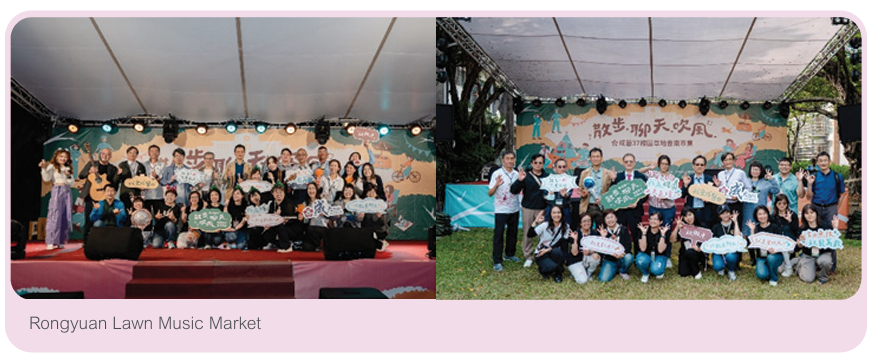
To amplify employee cohesion, inspire workforce morale, and foster multi-departmental networking, the Hospital has organized the annual "Lawn Music and Creative Market" for two consecutive years. Anchored on the theme of "Intellectual Enrichment, Stress Alleviation, and Ultimate Relaxation," the flagship initiative integrates lawn concerts, artisan creative markets, interactive family dynamics, and employee showcases to cultivate an exceptionally supportive and warming workplace environment. The event invites celebrated vocalists, live bands, and diverse performing arts troupes, while uniquely engineering a competitive open-audition mechanism for employees. This platform vigorously encourages colleagues to unleash their multifaceted talents in singing, instrumental performance, and dance, backed by participation rewards and formal performance stipends to substantially elevate employee engagement and opportunities for self-actualization.
The event grounds orchestrate a vibrant matrix of approximately 80 to 120 local culinary, cultural-creative, and traditional artisanal vendor booths. By distributing corporate market vouchers and offering exclusive consumer discounts, the Hospital drastically heightens colleagues' participation enthusiasm while simultaneously driving tangible economic support for local cottage industries. Furthermore, the inclusion of interactive family games and immersive experience activities welcomes employees to celebrate with their families, profoundly reinforcing the domestic family support network. Through the synergy of music, artisan markets, and quality time with loved ones, our workforce can effectively untangle from clinical pressure, rejuvenate their physical and mental well-being, and bolster mutual camaraderie alongside organizational identity through cross-unit networking. The operational trajectory of the project is preserved via professional retrospective documentaries, documenting these milestones to stand as a pivotal milestone of the Hospital's dedication to deepening corporate culture, cultivating employee holistic health, and orchestrating a family-friendly workplace.
Employee Support and Humanistic Care Systems
The Hospital establishes an encompassing framework of workplace support resources, providing multifaceted assistance measures that comprise workplace adaptation facilitation, environmental barrier-free infrastructure, human resources consultation, and psychological support services. Concurrently, specialized dedicated windows have been institutionalized to handle related mandates and pressure alleviation when employees confront predicaments, thereby ensuring that all demands are responsively addressed and appropriately processed. Through the integration of internal institutional resources and structural support, the Hospital materializes the core philosophies of equal employment and social inclusion, ensuring that every employee can achieve mutual growth and career development within a reassuring and respectful working environment. The respective dedicated specialized windows are designated as follows:

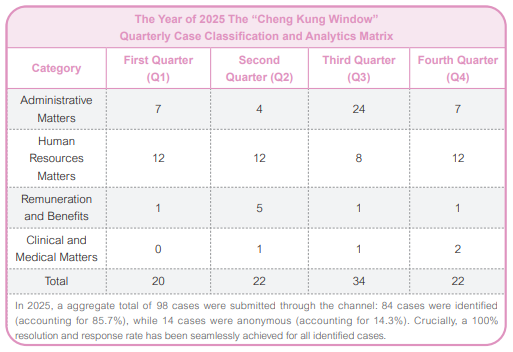
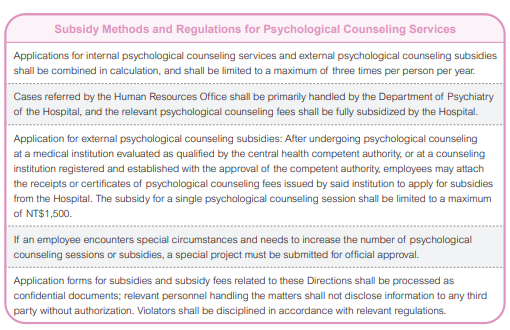
In terms of employee care, a clear and explicit operational workflow for employee care and condolences has been established. Upon receiving notifications of various care cases, the supervisor of the respective unit first delivers immediate on-site care, and the EAP team subsequently registers the case to provide medical, legal, psychological counseling, and welfare resources tailored to individual needs. Every employee is entitled to 3 sessions of free psychological counseling services each year, and can obtain assistance via online consultation channels to support employees in addressing issues such as workplace pressure, occupational injuries, official sick leave, family interactions, maternal care, and health promotion. The Hospital also convenes care team meetings on a quarterly basis to execute case care and subsequent follow-up tracking, demonstrating continuous attention and care for employee physical and mental well-being. In 2025, the internal counseling service served 50 person-times, and external counseling subsidies were granted to 4 person-times.
-
2025 Annual Execution Results of Strategic Objectives
|
C1-3 Promote Team Resource Management / Employee Workplace Resilience |
||
|
Annual Goals |
Implementation Status |
Target Achievement |
|
Hold at least one TRM and resilience-related course every six months |
Held 3 resilience courses |
〇 |
|
C1-3 Promote Team Resource Management / Employee Workplace Resilience |
||
|
Annual Goals |
Implementation Status |
Target Achievemen |
|
Satisfaction with TRM and resilience courses ≥ 80% |
Satisfaction consistently ≥ 95% |
〇 |
Physical and Mental Balance Program
To actively respond to the national mental health policy, the Hospital has implemented "Mental Health Leave" starting from October 10, 2025. Transitioning from initial implementation for civil service and contract personnel to fully incorporating colleagues applicable under the Labor Standards Act in 2026, this embodies the Hospital's commitment to workplace equality, ensuring every partner enjoys identical psychological support and realizing a healthy and sustainable workplace environment.
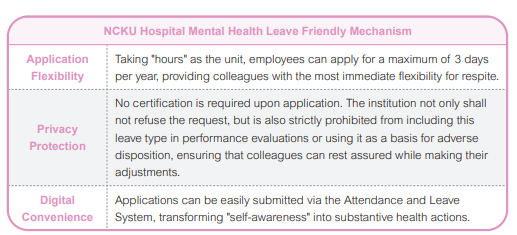
The initial implementation of the system has already received positive feedback from colleagues, with 52 person-times applying within just one brief quarter in 2025. The Hospital firmly believes that only a vibrant and stable state can address the various challenges in the medical field, which is also a long-term commitment to our colleagues.